The Short Answer for Los Angeles Founders
Hiring app developers in Los Angeles costs more than the US average, and the people you want are the ones that aerospace firms and defense startups are also bidding for. The software developer median for the Los Angeles, Long Beach and Anaheim metro was $160,920 in the Bureau of Labor Statistics figures for May 2025, about 18 percent above the national median. For a first app with nobody technical on the team, a single full-time hire is the slowest and most expensive way to start.
If you do hire, plan for the job to take a few months, and expect to pay for the second person before the first one has shipped. If you want to see how a local studio or a fixed-scope build compares, our Los Angeles app development page has the local pay figures, sectors and trends, each with its source. This post goes further on the four ways to get the app built and what to check before you sign anything.
What a Developer Costs in Los Angeles
Pay is the largest cost in any build, and it is the figure you can check yourself. These four rows come from the BLS wage data for the metro and from Clutch's list of app developers in the city. The US column is the national figure from the same BLS file, so you can see the gap.
| Measure | Los Angeles metro | United States | Source |
|---|---|---|---|
| Software developer pay, median | $160,920 | $135,980 | BLS, May 2025, via Wagedex |
| Software developer pay, mean | $161,900 | $148,100 | BLS, May 2025, via Wagedex |
| Software developers employed | 55,540 | n/a | BLS, May 2025, via Wagedex |
| App development companies listed | 567 | n/a | Clutch, November 2026 |
Pay is for the Los Angeles, Long Beach and Anaheim metro, which is wider than the city. A developer in Pasadena or Santa Monica sits inside the same figure. The number of listed companies tells you how crowded the market is, not how good any of them are. Ask every candidate where the engineers who would work on your app are based and how many of them there are.
Salary is only part of the bill. Add benefits, the recruiter or the time you spend interviewing, and the months before the new hire is productive. A developer who costs $160,920 in salary can cost a good deal more than that in the first year once those are included.
Who Hires the Same Engineers You Want
Los Angeles is no longer mainly a media town when it comes to engineering. The money that flows into the region is going to aerospace, defense and the companies that build for them, and those employers pay for the same skills an app team needs: mobile, backend, data and security.

The numbers behind that shift are worth reading before you set a budget. Venture funding in Los Angeles reached nearly $12 billion in 2025, and The Registry reported in February 2026 that aerospace and defense anchored the growth. Ten startups in the LA area became unicorns that year, and most of them were aerospace or defense businesses, according to CalMatters in September 2026.
The same CalMatters reporting shows where the contract money goes. LA County won about $15 billion in defense contracts in 2025, and most of it went to established contractors such as Boeing. Startups are taking a growing share, and most of the Golden Dome winners are based in or tied to Southern California. For a founder, the practical result is simple: a startup that can ship an app quickly is competing for the same engineers as a company with a large defense budget and a pension plan.
What that means for your hire: ask candidates where they worked before and why they left. An engineer who has spent three years on a government contract may be excellent, but may need a month to get used to shipping every week. Someone from a fast consumer team may ship faster and need more direction on security. Neither answer is wrong. The question is which one matches the first year of your app.
Four Ways to Get the App Built in Los Angeles
There are four realistic routes, and most founders in LA pick one of them in the first month. Each has a different cost profile, a different risk, and a different answer to the question of who owns the code.
| Route | Good for | Watch for |
|---|---|---|
| Hire one developer | A product that needs one person in the code every day for years | A single point of failure, and a median salary of $160,920 before benefits and recruiting |
| A local agency | A team with design, backend and mobile skills under one contract | Listed firms differ in where their engineers sit, so ask who is on the project |
| A freelancer | A bounded piece of work, such as a mobile front end or an integration | Nobody else knows the code when the freelancer leaves, so write the handover into the contract |
| A product team on a fixed scope | A first version that has to reach the App Store in a set number of weeks | The scope must be written before the first design review, or the weeks run out |

The fourth route is the one we run. Los Angeles founders work with us over calls, in Figma for design reviews, and through a build on TestFlight each week, so the app on your phone changes every week and you can test it from the first month. That is how Vybes went from concept to the App Store in eight weeks. Read the Vybes case study for what that schedule involved.
Whichever route you pick, the test is the same. Ask who writes the code, who reviews it, who owns the repository and who gets the keys if the relationship ends. An answer of "we will sort that out later" is the answer to avoid.
What LA Founders Are Building Right Now
Los Angeles has a strong run of consumer and creator products, and the ones that worked had a clear rule about data. Three of our projects speak to the city's audiences and show what that looks like in practice.
Vybes is a members-only, video-first dating platform. Every member is verified, first dates happen on a 15-minute video call before any texting, and the company is valued at $10M. The build covered React Native for iOS and Android, WebRTC video, document verification and an events system for in-person meetups.
Fake Friends shows who unfollowed you on Instagram using Instagram's own official data export, so the app never asks for a password. It went from concept to product in two days and is live today. The Fake Friends case study has the stack and the decisions behind it.
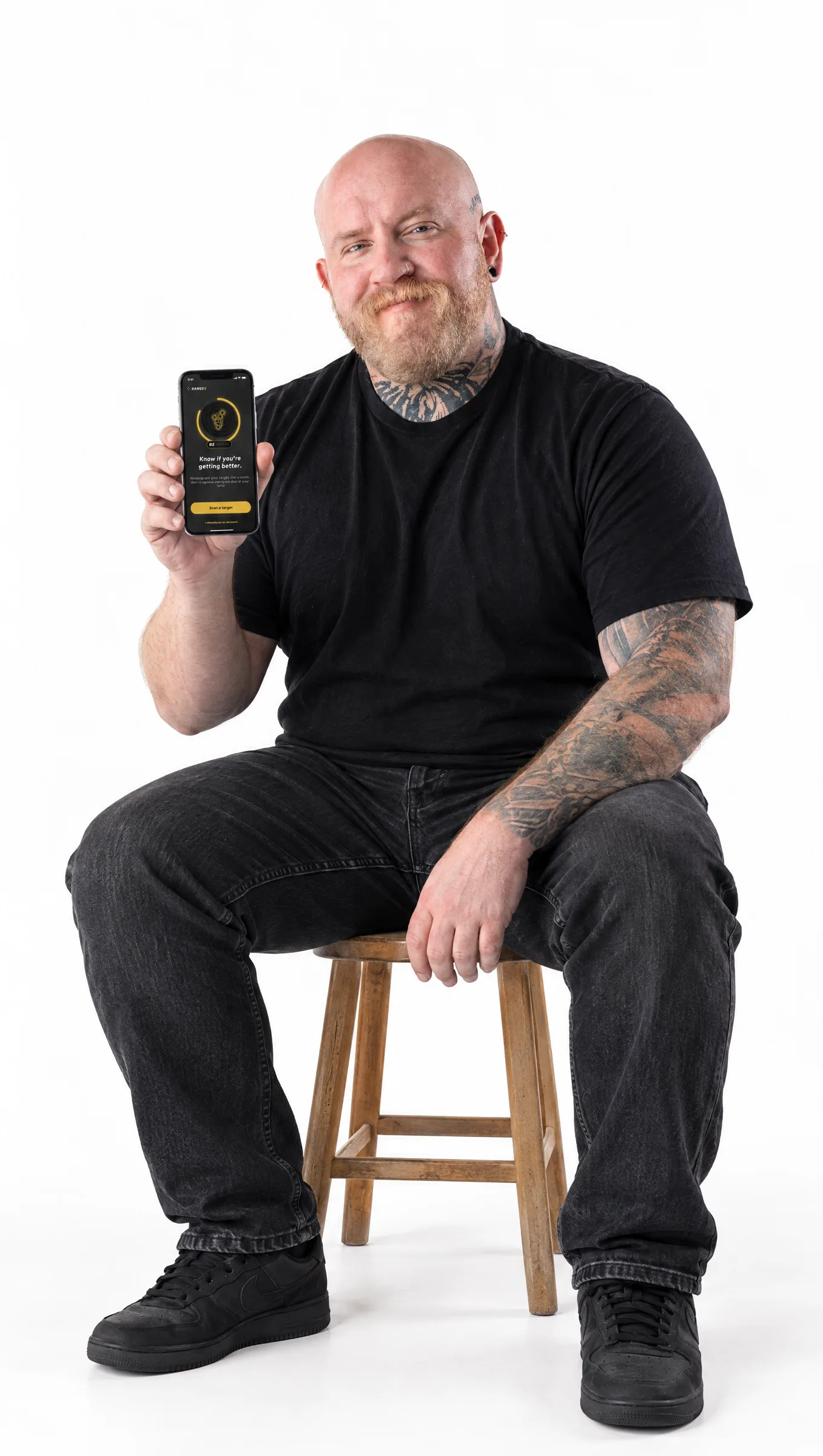
RangeX is a single 0 to 100 score for shooting, with a computer-vision pipeline that turns a photograph of a target into a 0 to 100 score in about twenty seconds. The RangeX case study covers the prototype and the scoring specification.
Fake Friends is the clearest case of a rule shaping the product: the app never asks for a password. When a developer pitches you an LA consumer app, ask the same question: which data do you refuse to touch?
California Rules That Change the Hire
California handles two things differently from most states, and both affect how you hire. The first is noncompetes. California Business and Professions Code section 16600 voids most noncompete clauses, so a developer you hire can usually take a job at a competitor when they leave. That is no reason to avoid hiring here, but it does mean protecting what matters in other ways.
In practice, that means a written invention assignment that transfers the code to your company, a confidentiality agreement that covers your data and roadmap, and a non-solicitation clause for your staff where the law allows it. Ask a California employment lawyer to draft these before the first day, not after the first resignation.
The second is pay. Read the posted pay ranges for the same role across the metro before you set yours. An offer far below the BLS median for the area will bring in applicants who leave for better offers within a few months.
Where Los Angeles Founders Start Looking for Help
Accelerators and founder groups in the city can save you a hiring cycle, especially for a first product. These are programs in the city's startup scene, with the details as each one publishes them:
- USC and Techstars Accelerator: a 13-week in-person program at USC, for teams with a USC-affiliated founder.
- UCLA Anderson Venture Accelerator: a campus accelerator for UCLA founders and alumni.
- LACI: the Los Angeles Cleantech Incubator, useful if your product touches energy or climate.
- Upfront Ventures: an LA seed and early-stage fund, with an invitation-only summit each February.
- LA Tech Week: a week of founder events across the city each October, a place to meet developers in person.
Meeting a developer is not the same as hiring one. Use the events to find three people, then ask each of them for a small paid piece of work before you commit to a full-time offer. A week of paid work tells you more than four interviews.
What to Check Before You Sign
Use this list with any Los Angeles developer, studio or agency. Each item is a question with a clear answer. If the answer is vague, treat it as a no.

- Who owns the repository? It should be a company account in your name, with you as an admin from the first day.
- Can you see a working build every week? A demo on a call is not enough. A build on TestFlight or an internal Android track is the proof.
- Who is on the project, and where do they work? Get names. Ask how many hours each person spends on your app and what happens if one of them leaves.
- Who owns the code and the design files? The contract should assign both to you once you have paid for them.
- What is in the first milestone? It should be a list of screens and features you can test, with a date, not a list of phases.
- Have they shipped to the App Store or Google Play? Ask for the app names and the store links, and check that the developer account used to publish is in your name.
- What do they do about security and data? Ask how they store passwords, how they handle payment data and what happens to user data when your account is closed.
If you hire one person, add two more questions: what does the handover look like, and who else can read the code today? An app that only one person can change is a bet on that person staying.
When Hiring Is the Wrong Call in Los Angeles
We sell app development, so read this section knowing that. In a few cases the right answer is not to hire anyone.
You have not spoken to a customer yet. Start with a clickable prototype and ten conversations. A developer hired before you know the product will build the wrong thing quickly.
The app is a marketing test. A landing page, a waitlist and a paid campaign will tell you whether the idea has demand for the price of a few weeks of ads, not the price of a developer.
The product is a side project with a few hours a week. A freelancer on a small, fixed piece of work is the honest answer. A full-time hire or an agency contract is too much commitment for a project that gets an evening a week.
Hire a team once you have paying users, data people would be upset to see leaked, or an investor asking about the code. From that point, every missed permission rule costs more than the work to prevent it.
How Los Angeles Founders Work With Us
Los Angeles founders work with us over calls and a build on TestFlight each week. We start with a scoping call, leave you with a plan and a written number, and build the first version against a fixed list of screens. The design reviews happen in Figma, and you see the app on your phone while it is still changing.
If you are planning a product in the city and want to know whether a local hire, a local agency or a fixed-scope build fits it, start on our Los Angeles page and then book a free strategy call. Bring the one-sentence description of the product, the number of users you expect in the first year, and the date you need to be in the store.