
Why Spas and Wellness Businesses Are Leaving Money on the Table
The global wellness economy topped $5.6 trillion in 2023, and spas represent one of its fastest-growing segments. Yet most spa operators still rely on the same playbook they used a decade ago: fixed pricing, generic marketing blasts, therapist schedules built on gut instinct, and product recommendations that amount to "the esthetician liked it." That gap between market scale and operational sophistication is a revenue leak, and AI is the tool that plugs it.
Consider what a typical day spa already knows about each client. Visit history stretching back years. Preferred therapists. Skin type and sensitivity notes. Product purchase patterns. Seasonal booking behavior. Feedback and review sentiment. The problem is not a lack of data. The problem is that the data lives in disconnected systems, and no human team can analyze it fast enough to act on it in real time. A front desk manager cannot cross-reference 4,000 client profiles against today's open appointment slots, current inventory levels, and each therapist's specialization before recommending an upsell. AI can do that in milliseconds.
The operators who have already implemented AI personalization report 15 to 30% revenue increases within the first 12 months. That is not a hypothetical projection from a vendor's slide deck. It comes from combining higher average ticket sizes (through smarter upselling), improved retention (through churn prediction), reduced waste (through demand forecasting), and better staff utilization (through AI-optimized scheduling). Each of those levers compounds the others, creating a flywheel that manual operations simply cannot replicate.
The spa industry is also uniquely positioned to benefit from AI because it is a high-touch, relationship-driven business. Clients do not just want a massage. They want their massage, tailored to their preferences, performed by the right therapist, at the right time, with the right follow-up. AI makes that level of personalization scalable, turning what used to require an exceptional spa director with a perfect memory into a system that works consistently across every client interaction.
Personalized Treatment Recommendations That Build Loyalty
The highest-impact application of AI in spas is personalized treatment recommendations. When a returning client books an appointment, the system should already know their skin type, past treatment outcomes, product sensitivities, seasonal preferences, and wellness goals. Instead of the therapist spending the first ten minutes of a session asking questions the client has answered before, they walk in armed with a tailored treatment plan the AI assembled from years of data.
Learning from client history. AI recommendation engines use collaborative filtering (the same approach Netflix and Spotify rely on) combined with content-based filtering to match clients with treatments. If clients with similar skin types, age ranges, and treatment histories responded well to a particular facial protocol, the system flags that protocol for new clients who share those attributes. Over time, the model learns which combinations of treatments produce the best outcomes for each client segment. A 45-year-old client with dry, sensitive skin who booked three hydrating facials in a row does not need a sales pitch for a chemical peel. She needs a recommendation for an advanced hydration treatment paired with a barrier-repair serum, and the AI knows that before anyone on your team does.

Skin and wellness goal tracking. Modern AI systems can ingest therapist notes, client self-reported goals, and even progress photos (with consent) to track treatment outcomes over time. This transforms the spa from a transactional service provider into a wellness partner. When a client sees measurable progress toward their goals, documented and visualized by the system, they do not shop around on price. They stay because the results speak for themselves. Spas using AI-driven goal tracking report 25 to 40% higher client lifetime values compared to those relying on manual notes alone.
What manual approaches miss. A talented spa director might remember the preferences of 50 top clients. AI remembers the preferences of 5,000 and spots patterns no human could. It notices that clients who book deep tissue massages in January tend to add aromatherapy in March. It identifies that a specific combination of body treatments leads to higher rebooking rates than either treatment alone. These cross-client pattern insights are invisible to manual analysis but obvious to a well-trained model. For a deeper look at how recommendation engines work for service businesses, see our guide on AI for beauty and wellness automation.
Dynamic Pricing and Yield Management for Spas
Airlines and hotels have used dynamic pricing for decades. Spas are just starting to catch on, and the revenue impact is significant. Instead of charging a flat $180 for a 60-minute massage regardless of when it happens, AI-powered yield management adjusts pricing based on demand signals, therapist availability, time of day, day of week, and seasonal patterns.
How it works in practice. Your Tuesday 10 AM slots sit empty most weeks, while Saturday afternoons are booked three weeks out. Static pricing treats these identically. Dynamic pricing drops the Tuesday morning rate by 15 to 20% and adds a small premium to peak Saturday slots. The AI calibrates these adjustments using historical booking data, ensuring the discounts are just large enough to fill empty capacity without training clients to only book during off-peak times. Spas implementing dynamic pricing typically see a 10 to 18% increase in overall revenue because they fill previously empty slots while capturing more value during high-demand periods.
Therapist-based pricing tiers. Not all therapists generate equal demand. Your senior therapist with a 95% rebooking rate and a waitlist deserves premium pricing, while a newer team member building their client base benefits from introductory rates that attract trial bookings. AI identifies these demand patterns and adjusts pricing automatically, aligning compensation incentives and maximizing revenue per treatment room hour.
Package and membership optimization. AI analyzes which service bundles generate the highest lifetime value and retention rates, then recommends package structures optimized for long-term revenue rather than short-term sales. Maybe your current "Relaxation Package" bundles three services that clients rarely complete together. The AI might suggest restructuring it into a progressive wellness journey (consultation, initial treatment, follow-up treatment) that clients actually finish, leading to higher completion rates and stronger retention.
Guarding against margin erosion. The biggest risk with dynamic pricing is discounting too aggressively. AI models include guardrails that prevent prices from dropping below your cost floor, limit the percentage of discounted appointments per week, and track whether discount-driven clients convert to full-price regulars over time. Without these controls, you end up training your market to wait for deals. With them, you strategically fill capacity while protecting your brand positioning.
Smart Upselling and Client Retention Through AI
The difference between a $150 spa visit and a $250 spa visit is usually one well-timed suggestion. AI makes that suggestion consistently, at the right moment, based on data rather than guesswork.
Context-aware upsell recommendations. Traditional upselling relies on front desk staff remembering to offer add-ons, which happens inconsistently and often feels forced. AI-driven upselling works differently. When a client books a Swedish massage online, the system checks their history and presents a personalized suggestion: "Clients who enjoy Swedish massage often add our hot stone upgrade. Based on your preference for heat therapy noted in your last visit, you might enjoy this 15-minute add-on for $35." The specificity makes the recommendation feel helpful rather than salesy. Spas using AI-driven upselling at the point of booking see add-on attachment rates increase from 8 to 12% (the typical manual rate) to 22 to 30%.
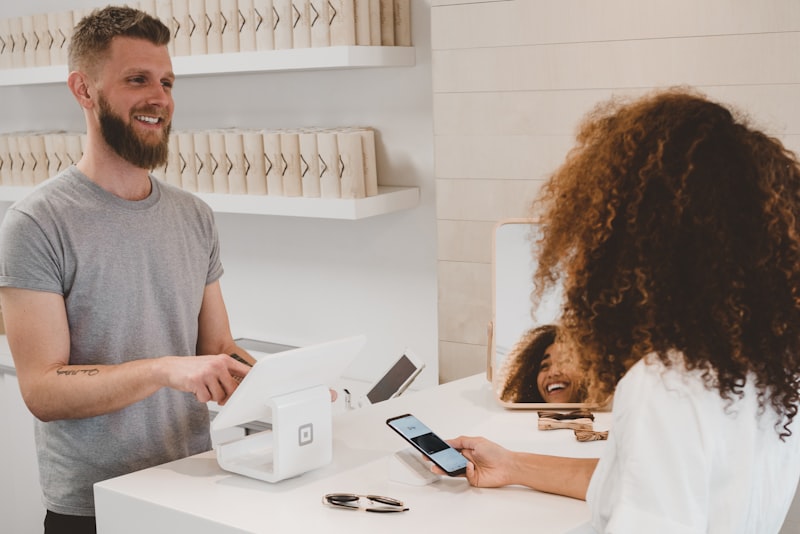
Post-visit product recommendations. The 48 hours after a spa visit are the highest-conversion window for retail product sales. AI generates personalized follow-up emails that reference the specific treatment performed, the products used during the session, and recommended at-home maintenance. "Hi Sarah, your esthetician used our Vitamin C Brightening Serum during yesterday's facial. Based on your skin's response, applying it three mornings per week will extend your results between visits. Here is a direct link to reorder." This approach consistently outperforms generic product emails by 3 to 5x in conversion rate.
Churn prediction and re-engagement. Losing a loyal client is expensive. Acquiring a replacement costs 5 to 7x more than retaining an existing one. AI churn prediction models analyze visit frequency changes, booking cancellations, declining spend patterns, and engagement signals to flag at-risk clients before they disappear. A client whose visit frequency drops from monthly to every 8 weeks, who skipped her last two product purchases, and who left a 3-star review after her most recent visit is a churn risk. The system catches these patterns weeks before a human would notice and triggers a personalized re-engagement sequence: a special offer, a check-in call from her preferred therapist, or an invitation to try a new service at a complimentary rate.
Loyalty program optimization. Most spa loyalty programs are blunt instruments: visit 10 times, get a free treatment. AI enables loyalty structures tuned to individual client behavior. High-frequency clients get rewarded for trying new services (expanding their spend breadth), while infrequent visitors get incentives for booking their next appointment before leaving. The AI continuously tests which rewards drive the highest incremental lifetime value by client segment, adjusting the program in real time rather than waiting for a quarterly review.
Personalized Marketing That Clients Actually Welcome
Most spa marketing falls into one of two traps: mass blasts that feel impersonal, or radio silence between visits. AI-powered marketing eliminates both by delivering the right message to the right client at the right moment.
Behavioral segmentation. Forget demographic-only segmentation. AI clusters your clients by behavior: visit frequency, service preferences, spend patterns, booking channel, response to promotions, and seasonal activity. One segment might be "high-value regulars who book facials monthly and never use discounts." Another might be "seasonal visitors who come for massage before holidays and respond to email but not SMS." Each segment gets a distinct communication strategy, tone, and offer structure. The result is marketing that feels personal because, at a meaningful level, it is.
Optimal send timing. AI models learn when each client is most likely to open emails, click links, and convert. Instead of blasting your entire list at 10 AM on Tuesday, the system sends each message at the client's individual optimal time. One client opens emails during her lunch break. Another engages after 9 PM when the kids are in bed. This single optimization typically improves email open rates by 15 to 25% and click-through rates by 20 to 35%, with zero additional creative effort.
Automated lifecycle campaigns. AI maps each client's journey and triggers communications at key moments. A new client gets a welcome sequence introducing complementary services over their first 30 days. A regular gets a personalized birthday offer featuring their favorite treatment. A lapsed client gets a "we miss you" message referencing their preferred therapist and a gentle incentive to rebook. Each message is generated or customized by AI to reference specific client details, making automation feel anything but automated. For the technical foundations of building these booking and communication flows, check out our guide on how to build a salon booking app.
Campaign performance learning. Every campaign teaches the AI model what works. Subject lines, offers, timing, imagery, and call-to-action phrasing are continuously tested and refined. Over 6 to 12 months, the system develops an increasingly accurate model of what drives each client segment to act, producing marketing performance that improves month over month without requiring your team to manually A/B test everything.
Staff Optimization and Inventory Management
The operational side of AI often delivers faster ROI than client-facing features because it directly reduces costs and waste. Two areas stand out for spas: staff scheduling and inventory management.
Demand-driven staff scheduling. Overstaffing on slow days burns payroll. Understaffing on busy days turns away revenue and creates stressed, rushed therapists who deliver subpar experiences. AI demand forecasting models analyze historical booking patterns, seasonal trends, local events, weather data, and even marketing campaign schedules to predict staffing needs 2 to 4 weeks in advance. The system recommends not just how many therapists to schedule, but which therapists. If Wednesdays see heavy demand for deep tissue work, schedule your deep tissue specialists. If Friday afternoons skew toward facial clients, load your estheticians. Spas using AI scheduling optimization report 10 to 15% reductions in labor costs while maintaining or improving client satisfaction scores.
Matching therapists to clients. Beyond scheduling, AI optimizes which therapist serves which client. The system tracks client preferences (stated and revealed), therapist specializations, rebooking rates by therapist-client pairing, and even personality compatibility signals from review sentiment. When a new client books a massage, the system assigns the therapist most likely to produce a positive outcome and a rebooking, not just whoever happens to be free. This matching improves first-visit-to-regular conversion rates by 15 to 20%.
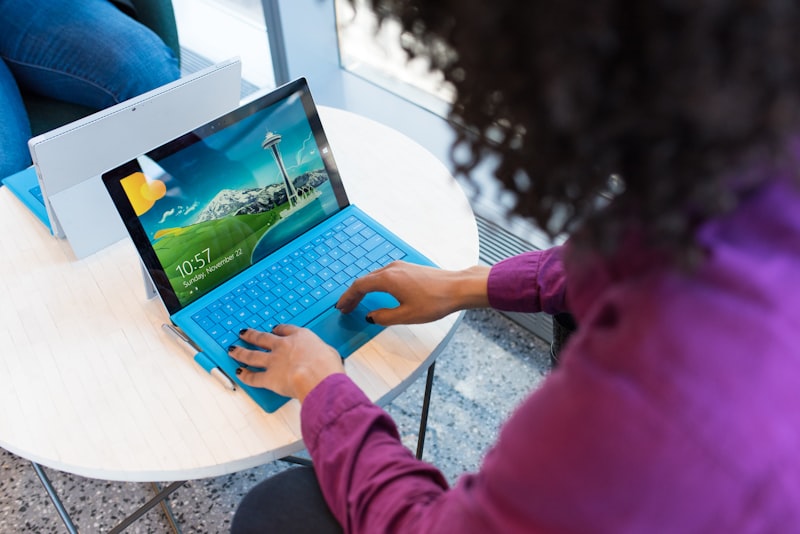
Inventory forecasting for products and supplies. Spa inventory is complex. You carry retail products, back-bar supplies, linens, disposables, and specialty items with varying shelf lives and lead times. AI inventory models track consumption velocity per product, correlate usage with service bookings (more facials booked next week means more serum consumed), flag slow-moving stock before it expires, and automate reorder triggers based on lead time calculations. Spas switching from manual to AI-driven inventory management typically reduce product waste by 20 to 30% and eliminate stockout incidents that disrupt service delivery.
Cost impact in real numbers. For a mid-size day spa doing $80,000 per month in revenue with $12,000 in monthly product costs and $28,000 in labor, the math is straightforward. A 12% labor efficiency gain saves $3,360 per month. A 25% reduction in product waste saves $3,000 per month. Combined, that is over $76,000 in annual savings before you even count the revenue gains from better client-facing AI. These are not theoretical numbers. They reflect what we see consistently when spas implement operational AI with clean data and committed teams.
Implementation Roadmap and ROI Expectations
Knowing what AI can do is one thing. Knowing how to implement it without burning budget or overwhelming your team is another. Here is a practical roadmap based on what we have seen work across dozens of wellness businesses.
Phase 1: Foundation (Weeks 1 to 4). Audit your current tech stack. Most spas use platforms like Booker, Mindbody, Zenoti, or Boulevard that already have basic automation features you may not be using. Activate automated appointment reminders, review request sequences, and basic client segmentation. Clean your client database: merge duplicates, fill in missing profile fields, and standardize service naming conventions. This costs almost nothing beyond staff time and typically recovers 5 to 8% of revenue lost to no-shows and lapsed clients.
Phase 2: Intelligent personalization (Weeks 5 to 12). Layer AI recommendation and communication tools on top of your existing systems. Deploy personalized upsell suggestions at the booking stage. Launch behavioral email campaigns with AI-generated content. Implement basic churn prediction that flags at-risk clients for manual follow-up. This phase requires a development partner or an AI-focused SaaS tool and costs $1,500 to $4,000 per month depending on your client volume and integration complexity. Expect 8 to 15% revenue increases from higher average tickets and improved retention.
Phase 3: Operational intelligence (Months 4 to 6). Add demand forecasting, dynamic pricing, staff optimization, and inventory management. These models need at least 3 to 6 months of clean historical data to produce reliable predictions, which is why they come after the data foundation phases. Custom implementations at this level run $5,000 to $12,000 per month for a multi-location spa group. The ROI target is a combined 15 to 30% revenue increase plus 10 to 15% cost reduction, yielding a payback period of 3 to 6 months.
What separates success from failure. The spas that get the most from AI share three traits. First, they start with one high-impact use case (usually upselling or churn prediction) and prove ROI before expanding. Second, they invest in staff training so therapists and front desk teams understand and trust the AI recommendations rather than ignoring them. Third, they treat AI as an ongoing capability rather than a one-time project, continuously feeding the models better data and refining their outputs based on real-world results.
Privacy and trust. Spa clients share sensitive personal information. Any AI system handling client data must meet strict security standards: encrypted storage, role-based access controls, transparent data usage policies, and easy opt-out mechanisms. Clients should know their data is being used to improve their experience, and they should have clear control over what is collected. Getting privacy wrong in a trust-driven industry like wellness is not just a compliance issue. It is a business-ending risk.
The bottom line is that AI personalization is no longer a luxury reserved for large resort spas with six-figure technology budgets. The tools are accessible, the ROI is proven, and the competitive window is narrowing. Spas that implement AI-driven personalization now will build data advantages and client relationships that late adopters will struggle to match. If you are ready to explore what AI can do for your spa or wellness business, book a free strategy call with our team. We will assess your current operations, identify the highest-impact opportunities, and build a realistic plan to get you there.